

That unsettling moment when your vehicle suddenly feels loose on a turn, or you press the brakes only to discover they’re not responding properly—these are warning signs Athens drivers experience each fall when wet leaves meet Georgia’s red clay. This combination creates a hazardous layer on roadways remarkably similar to black ice. At Athens Ford Service Center, the team has seen how this seasonal phenomenon affects local drivers navigating everything from country roads to busy intersections along Atlanta Highway. Understanding this unique hazard and keeping tires properly maintained is crucial for staying safe during the fall and winter transition, especially when October and November bring characteristic rainfall to Northeast Georgia.
The “Invisible Ice”: How Decaying Leaves Create Road Hazards
When autumn leaves fall across Athens roads, they create more than picturesque scenery—they become a genuine safety concern once rain arrives. As leaves decay, they release organic compounds that mix with moisture to form a slick, lubricating layer on pavement. This becomes especially problematic with Georgia’s distinctive red clay soil, which contains high iron oxide levels and naturally retains moisture. When combined on road surfaces, particularly in shaded areas along tree-lined streets near the University of Georgia or rural Clarke County roads, they create a genuinely treacherous coating.
The danger develops as this “leaf sludge” accumulates throughout October and November, Athens’s wettest fall months with approximately 3.5 to 3.8 inches of rainfall monthly. According to the Georgia Department of Driver Services, wet roads can significantly increase stopping distance compared to dry pavement. Add the lubricating effect of decomposing leaves mixed with red clay residue, and stopping distances extend even further, turning routine stops into close calls. That’s why maintaining proper tire tread depth is absolutely essential for navigating Athens roads safely during fall.
Hydroplaning Happens Fast: The Science of Water, Clay, and Speed
Hydroplaning occurs when water builds up faster than your tires can push it away, causing your vehicle to ride on top of the water rather than maintaining road contact. Steering becomes unresponsive, brakes lose effectiveness, and you’re floating along with limited control. This happens remarkably quickly—often at speeds as low as 35 mph. The combination of water, fallen leaves, and red clay creates ideal hydroplaning conditions because the mixture forms a slurry that’s harder for tires to displace than water alone.
Your tires have grooves specifically designed to channel water away from the contact patch. However, when grooves are worn or the water-debris mixture is too thick, the tire loses pavement contact. Athens drivers face this particularly on tree-canopied streets in Five Points or shopping area approach roads where drainage isn’t optimal. Speed compounds the problem exponentially—the faster you travel, the less time tire treads have to evacuate water effectively. Red clay creates a lubricating film that regular rainfall alone wouldn’t produce, and combined with decaying leaf matter, forms a uniquely hazardous mixture. That’s why it’s smart to shop our selection of Ford-approved tires before conditions deteriorate.
Why Your Tread Depth Matters More in October Than July
During dry summer months, moderately worn tires can provide adequate traction. The pavement is dry most days, and your tires’ primary job is maintaining road contact. But as October arrives with increased rainfall, those same tires face dramatically different demands. Suddenly, tire tread grooves must actively channel water away from the contact patch, and shallow grooves simply can’t do the job effectively.
The National Highway Traffic Safety Administration establishes a legal minimum tread depth of 2/32 of an inch, but that’s genuinely bare minimum. Many tire safety experts recommend replacing tires at 4/32 of an inch, particularly for wet weather. That extra depth makes substantial difference in evacuating water and maintaining traction. Use the simple “penny test”—insert a penny into tire tread grooves with Lincoln’s head pointing down. If you see the top of his head, tread is at or below 2/32 inch and you urgently need new tires.
Fall in Athens brings variable weather—several dry days followed suddenly by heavy rainfall. Worn tires might seem fine during dry stretches, then rain arrives with that characteristic leaf-and-clay coating, and suddenly tires can’t provide needed traction. The transition happens fast, which is why proactive tire maintenance in early fall is genuinely wise planning. Getting ahead of the problem means you’re ready when substantial rain arrives.
New Car Technology vs. Old Tires: Why Co-Pilot360™ Needs Grip
Modern Ford vehicles come equipped with remarkably sophisticated Ford Co-Pilot360™ technology including Automatic Emergency Braking, Blind Spot Information System, and Lane-Keeping System. These systems use sensors, cameras, and computer processing to monitor surroundings constantly. However, even the most advanced technology cannot compensate for worn tires with insufficient tread depth.
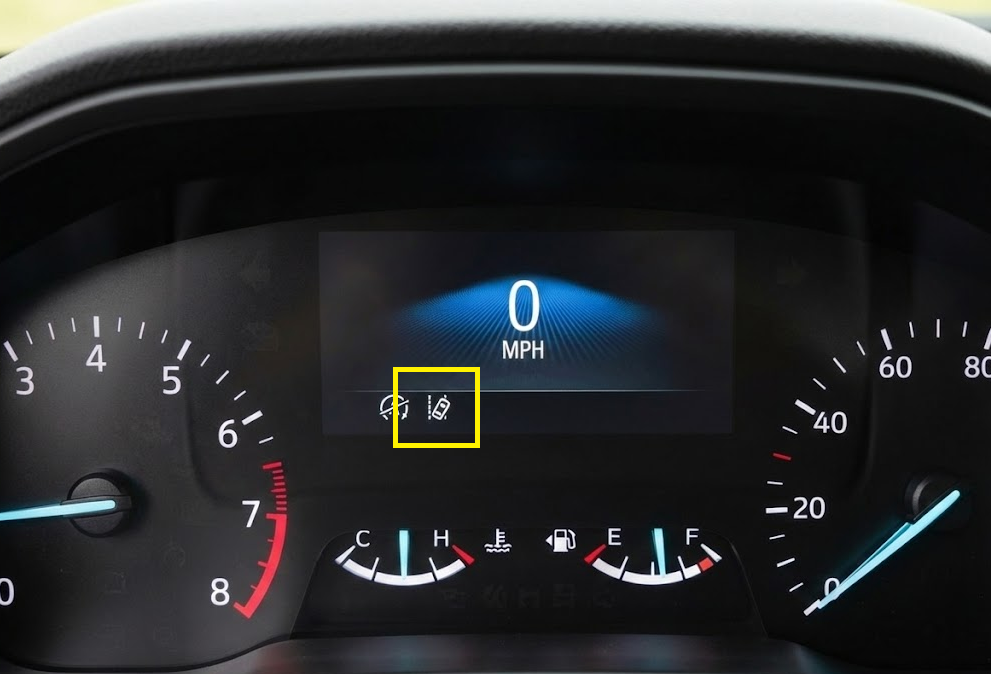
Here’s why: systems like traction control and anti-lock brakes manage how tires interact with the road, but depend entirely on tires actually having grip. When Ford’s traction control detects wheel slip, it reduces power or applies braking pressure. But if tires don’t have adequate tread to grip the road, the system is managing something that doesn’t exist—there’s no traction to control. It’s like having the world’s most advanced steering system on completely bald tires.
This applies whether you’re driving a 2026 Ford F-150, sophisticated Explorer, or any Ford model with advanced safety features. These systems amplify and manage the traction your tires provide but cannot create traction from nothing. That’s why maintaining proper tire condition is foundational to vehicle safety, regardless of how many advanced features your Ford includes. The factory-trained technicians at Athens Ford Service Center can perform a comprehensive brake inspection along with your tire check, since both systems work together critically to stop your vehicle on wet, leaf-covered roads.
Best Tire Features for Conquering the Athens Commute
When replacing tires on your Ford, the specific tire choice makes meaningful difference. All-season tires are typically best for the region since Athens doesn’t experience harsh winter requiring dedicated snow tires, but you need tires capable of handling wet weather confidently. Look for these key features:
- Deep Circumferential Grooves: Channels running around the tire’s circumference designed to evacuate water quickly and prevent hydroplaning
- Aggressive Tread Patterns: Multiple biting edges that cut through water and debris to maintain solid road contact
- All-Season Compound: Rubber formulated to stay flexible in cooler temperatures while resisting wear
- High Wet Traction Ratings: Look for tires specifically engineered and tested for superior wet weather performance
Athens Ford Service Center carries Ford-approved tires from trusted brands like Goodyear, Continental, Michelin, and Bridgestone. Factory-trained technicians help you select tires balancing longevity, comfort, and wet-weather traction. Plus, you can check current tire rebates and coupons to make quality tires more affordable.
Tire Safety Comparison: What the Numbers Tell You
| Tread Depth | Condition Level | Wet Traction | Recommendation |
|---|---|---|---|
| 10/32″ – 8/32″ | New to Like-New | Excellent | Optimal for all driving conditions |
| 6/32″ – 4/32″ | Moderate Wear | Good to Fair | Monitor closely; consider replacement soon |
| 4/32″ – 3/32″ | Significant Wear | Fair to Poor | Plan replacement immediately for wet weather |
| 2/32″ or less | Unsafe / Illegal | Very Poor | Replace immediately—dangerous in wet conditions |
Note: Tread depth measurements based on NHTSA recommendations and tire industry standards. Actual performance varies by tire design and road conditions.
Proactive Maintenance: Your Best Defense Against Fall Hazards
Beyond checking tread depth, comprehensive tire maintenance involves several factors determining how safely your Ford handles slippery fall roads. Tire pressure is critically important—underinflated tires don’t maintain proper road contact, reducing traction and increasing hydroplaning likelihood. Recommended tire pressure for your Ford model is listed on the driver’s door jamb sticker. Check monthly since tires naturally lose pressure over time.

Tire rotation is another key item extending tire life and promoting even wear. Most manufacturers recommend rotating every 5,000 to 8,000 miles, and Quick Lane Tire & Auto Center at Athens Ford makes this convenient with no appointment necessary. Wheel alignment impacts wear significantly—if your vehicle pulls to one side, alignment issues might cause uneven wear. Proper alignment ensures tires make even contact and wear uniformly. These maintenance items work together keeping tires performing optimally. Factory-trained technicians at Athens Ford Service Center handle all services during a single visit, saving time while ensuring your Ford is ready for whatever Athens roads present.
Quick Lane: Tire Service Made Easy
Quick Lane Tire & Auto Center at Athens Ford offers convenient walk-in service with no appointment necessary, plus extended hours including evenings and Saturdays. Factory-trained technicians work efficiently without sacrificing quality. They handle all makes and models using quality parts from trusted brands including Motorcraft and name-brand tires from leading manufacturers. During tire service, technicians perform complete inspections including tread depth measurement, pressure checks, and visual inspection for damage. They explain findings clearly and give straightforward recommendations without pressure. Plus, earn FordPass Rewards points on all service and maintenance, which you can use toward future visits, making regular maintenance more affordable over time.
FAQs
Q: Do I really need new tires just for rain and leaves?
A: It depends entirely on your current tread depth. Wet leaves combined with Georgia red clay create a slippery layer remarkably similar to ice. If your tread depth is below 4/32 of an inch, your ability to stop safely on this hazardous mixture is significantly compromised, regardless of what vehicle you’re driving or how carefully you drive.
Q: Can my new Ford’s traction control prevent sliding on wet clay?
A: Advanced systems like the traction control in new Ford F-150 or Explorer models are designed to pulse brakes and reduce power when wheels start slipping. However, these systems rely entirely on the tires having physical grip on the road. Without adequate tread depth, the technology has nothing to work with and cannot create traction that doesn’t exist.
Q: What is the best tire type for Georgia fall and winter driving?
A: All-season tires with deep circumferential grooves work best for Athens conditions. These channels are specifically designed to evacuate water and “leaf slurry” away from the tire’s contact patch, preventing hydroplaning far better than summer or performance tires can in wet conditions.
Q: How often should I check my tire tread depth?
A: Monthly checks are recommended, and definitely before fall and winter when wet weather increases substantially. The penny test takes only minutes and can alert you to dangerous tire wear before it becomes a safety hazard on slippery Athens roads.
Q: Does tire pressure really matter for wet weather driving?
A: Absolutely. Underinflated tires don’t maintain proper contact with the road surface, which reduces traction and actually increases your risk of hydroplaning. Check pressure monthly and keep tires inflated to the specifications listed on your driver’s door jamb for optimal safety and performance.
Don’t Wait for the Slide—Schedule Your Inspection Today
Every fall, Athens Ford Service Center sees drivers who waited just a bit too long to address tire wear, and they came in after experiencing that frightening moment when their vehicle didn’t respond like it should on wet roads. Don’t let that be your wake-up call. The factory-trained experts at Athens Ford Service Center have the diagnostic tools, genuine Ford parts, and specialized knowledge to handle any tire concern efficiently and effectively. Whether you drive a brand-new Ford with all available safety features or a trusted F-150 that’s been serving you reliably for years, the technicians treat every vehicle with the same careful attention and expertise.
With Athens’s fall weather bringing approximately 3.5 inches of rain in October and 3.8 inches in November, plus all those falling leaves mixing with red clay on roadways throughout Clarke County, waiting to address tire problems only makes the situation worse and potentially more expensive to fix later. The comprehensive diagnostic approach at Athens Ford identifies exactly what your tires need, ensuring you get appropriate service that actually solves the problem rather than just temporary fixes that fail when you need reliable traction most. Don’t gamble with safety when wet leaves and Georgia red clay turn familiar roads into slippery hazards.
Click here to schedule your tire inspection and get back to safe, confident driving!
Or visit us at Athens Ford Service Center, 4260 Atlanta Highway, Athens, GA 30606, and let our certified technicians ensure your tires keep you safe throughout Athens’s demanding fall and winter weather.